✍️ Written by Dr. Raghuveer SN – Ayurvedacharya | Heartful Healer
Intermittent fasting (IF) has become one of the most popular health trends of the past decade. From weight loss and improved metabolic health to enhanced mental clarity, its potential benefits have attracted widespread attention.
However, an important question is often overlooked:
Is intermittent fasting suitable for everyone?
The answer is simple: No.
While intermittent fasting can be beneficial for some individuals, it is not a universal solution. Ayurveda has long emphasized that health recommendations should be individualized based on constitution, digestive strength, age, lifestyle, and health status.
Understanding Intermittent Fasting
Intermittent fasting refers to structured periods of eating and fasting. Common approaches include:
- 12:12 fasting (12 hours eating, 12 hours fasting)
- 14:10 fasting
- 16:8 fasting
- Alternate-day fasting
- Time-restricted eating
The goal is not necessarily to reduce calories but to create periods during which the body can focus on repair, metabolism, and energy regulation.
Potential Benefits of Intermittent Fasting
Research suggests that appropriate fasting may help:
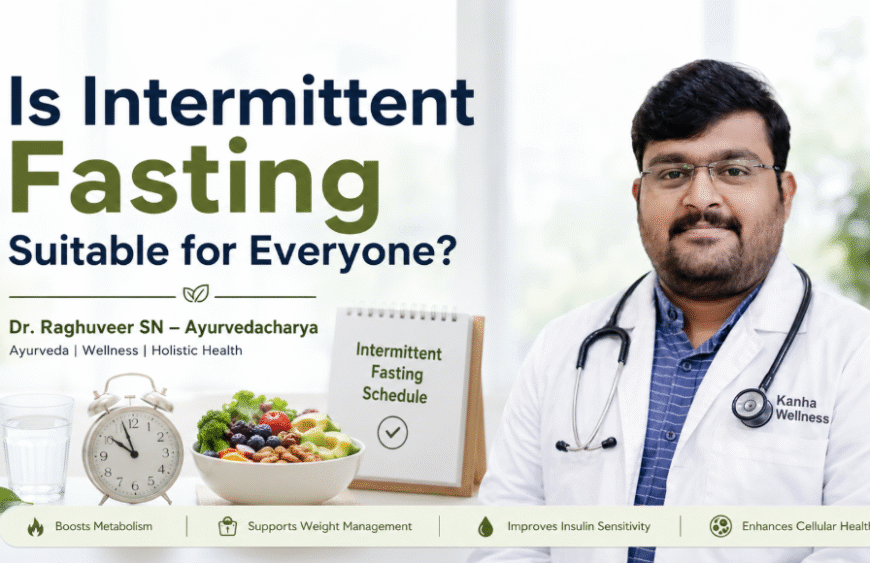
- Improve insulin sensitivity
- Support weight management
- Reduce metabolic stress
- Enhance cellular repair processes
- Improve blood sugar regulation
- Reduce inflammation markers
Many individuals with obesity, metabolic syndrome, or prediabetes may benefit from carefully planned fasting protocols under professional guidance.
The Ayurvedic Perspective on Fasting
Ayurveda recognizes fasting as Langhana, one of the methods used to reduce excess Kapha, improve digestion, and eliminate accumulated Ama (metabolic toxins).
However, Ayurveda does not advocate excessive fasting for everyone.
The key principle is:
“What is medicine for one person may become a disturbance for another.”
The effectiveness of fasting depends largely on an individual’s constitution and digestive capacity.
Who May Benefit More From Intermittent Fasting?
Kapha-Dominant Individuals
People with Kapha predominance often experience:
- Weight gain
- Sluggish digestion
- Water retention
- Metabolic slowdown
Moderate fasting may help improve metabolism and reduce heaviness in such individuals.
Individuals With Prediabetes or Insulin Resistance
When supervised appropriately, intermittent fasting may improve:
- Blood sugar control
- Insulin sensitivity
- Weight management
However, fasting should always be personalized and monitored.
Who Should Be Cautious?
Vata-Dominant Individuals
Vata types tend to have:
- Irregular digestion
- Anxiety
- Dryness
- Sleep disturbances
Prolonged fasting may aggravate Vata and lead to:
- Fatigue
- Dizziness
- Increased anxiety
- Hormonal imbalance
These individuals often do better with regular, nourishing meals.
Underweight Individuals
Fasting may worsen nutritional deficiencies and reduce energy reserves.
Pregnant and Breastfeeding Women
These stages require increased nutritional support and should not involve restrictive fasting unless medically advised.
Individuals With Eating Disorders
Fasting may trigger unhealthy eating behaviors and should be approached with extreme caution.
People With Certain Medical Conditions
Individuals taking medications for diabetes, chronic illnesses, or other health conditions should seek professional guidance before attempting fasting protocols.
Signs That Fasting Is Not Suiting You
Your body often provides clear feedback.
Warning signs include:
- Persistent fatigue
- Dizziness
- Headaches
- Increased irritability
- Poor sleep
- Excessive cravings
- Constipation
- Anxiety or restlessness
If these symptoms develop consistently, the fasting strategy may need adjustment.
A Smarter Approach: Time-Restricted Eating
For many people, a simple approach may be more sustainable than prolonged fasting:
- Early dinner
- Avoid late-night snacking
- Maintain regular meal timings
- Allow 12–14 hours overnight between dinner and breakfast
This often provides metabolic benefits without excessive physiological stress.
Heartfulness Meditation and Fasting
One reason people struggle with fasting is emotional eating and stress-driven hunger.
Heartfulness meditation can help by:
- Improving emotional regulation
- Reducing stress-related cravings
- Enhancing mindfulness around eating
- Supporting consistency with healthy habits
When the mind becomes calm, dietary discipline becomes easier and more sustainable.
Want a More Personalized Approach?
While general health principles can be helpful, Ayurveda teaches us that every individual is unique. Factors such as your Prakriti (constitution), digestive strength, lifestyle, age, and current health status all influence whether intermittent fasting is suitable for you.
For a deeper understanding and a more personalized approach to fasting, nutrition, metabolism, and holistic wellness, I invite you to explore my book through the link below.
Read my book here:
https://drraghuveersn.com/product/intermittent-fasting-ebook
Discover practical insights to help you make health decisions that are aligned with your body, your mind, and your unique constitution.
Final Thought
Intermittent fasting is a tool—not a universal prescription.
The real question is not whether fasting works, but:
Does it work for your body, your constitution, and your current state of health?
Ayurveda reminds us that true wellness comes from personalization, not imitation.
What nourishes one person may deplete another.
The most effective health plan is always the one that respects your individuality.
Learn | Live | Love – Ayurveda
Dr. Raghuveer SN
Ayurvedacharya | Heartful Healer